Posted on 2026-10-08 16:43:50.72 +0000 UTC
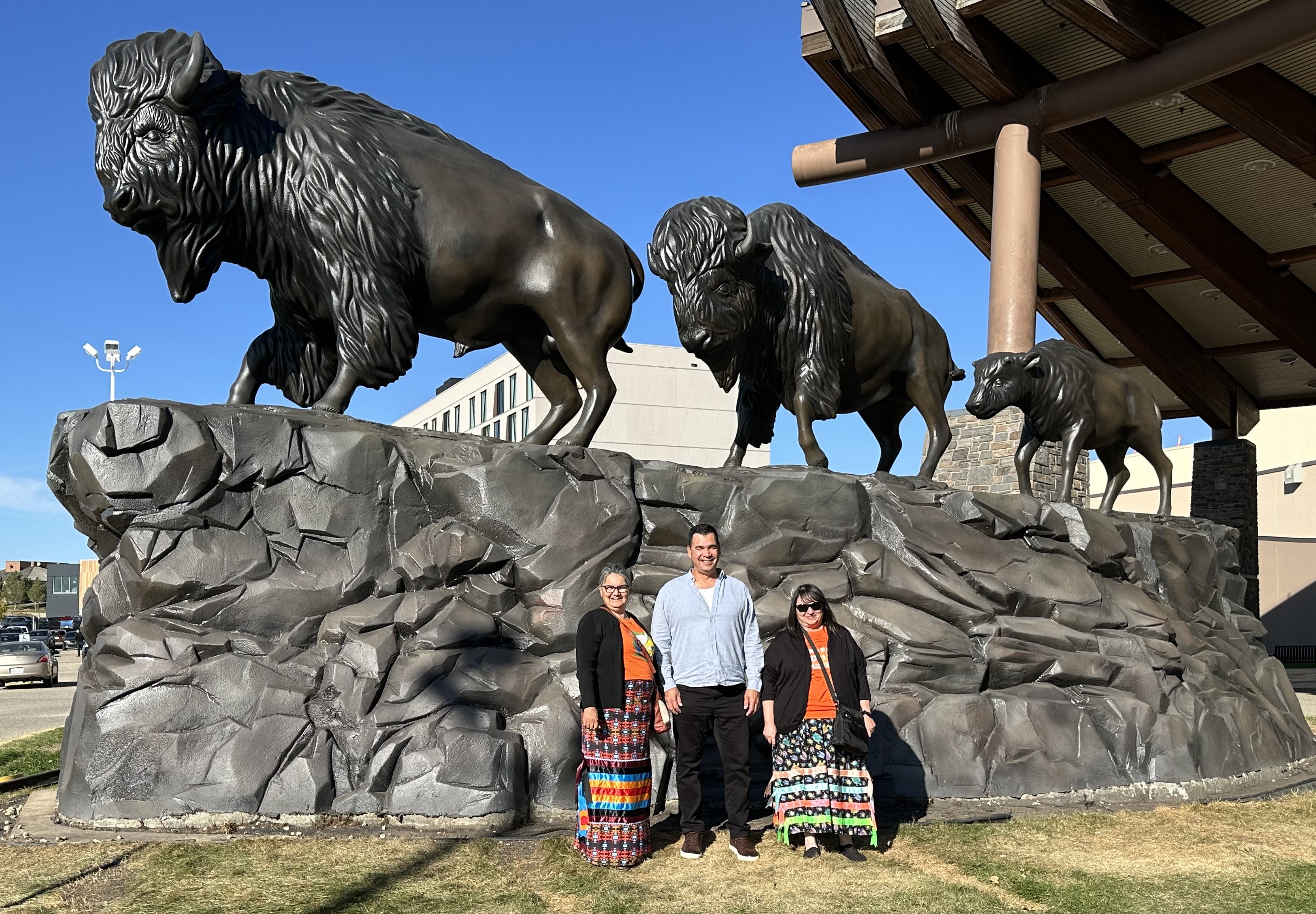
Three members of High Prairie School Division's Indigenous Education (IE) team attended the 𝟐𝟎𝟐𝟔 𝐩𝐢𝐦ā𝐜ī𝐡𝐢𝐭𝐚𝐭ā𝐧 𝐧ē𝐡𝐢𝐲𝐚𝐰ē𝐰𝐢𝐧 (𝐊𝐞𝐞𝐩 𝐎𝐮𝐫 𝐋𝐚𝐧𝐠𝐮𝐚𝐠𝐞 𝐀𝐥𝐢𝐯𝐞) 𝐂𝐨𝐧𝐟𝐞𝐫𝐞𝐧𝐜𝐞, held September 28 and 29 at Dakota Dunes Resort on traditional Whitecap Dakota Nation Territory in Saskatchewan.
Organized by YXE Cree Speakers Society: Keep Our Language Alive, the two-day conference brought together Elders, Knowledge Keepers, educators, language advocates, and community leaders to explore Indigenous language revitalization, education, and the importance of preserving languages for future generations.
During the residential school era, it was forbidden for Indigenous children to speak their languages as part of a deliberate effort to sever family and cultural ties and extinguish Indigenous culture. The survival of these languages is a testament to the strength and resilience of generations who held their languages close and continued to pass them on despite efforts to silence them.
The urgency of language revitalization is recognized internationally through the United Nations' International Decade of Indigenous Languages (2022–2032), which calls for meaningful action to preserve, revitalize, and strengthen Indigenous languages. In Canada, the Indigenous Languages Act supports these efforts, recognizing the importance of reclaiming languages and ensuring they continue to be spoken and passed down to future generations.
For High Prairie School Division's Indigenous Education team, this work includes supporting educators in finding meaningful ways to incorporate Indigenous languages into student learning.
In the words of the late grandson of conference co-emcee Ira Horse, “Our language is not dead; it's not lost. It's sleeping, and we need to wake it up.”